The Importance of a Home Inspection: What Buyers Need to KnowA home inspection is a crucial step in the home-buying process. It provides buyers with a comprehensive understanding of a property's

Dated: January 14 2025
Views: 146
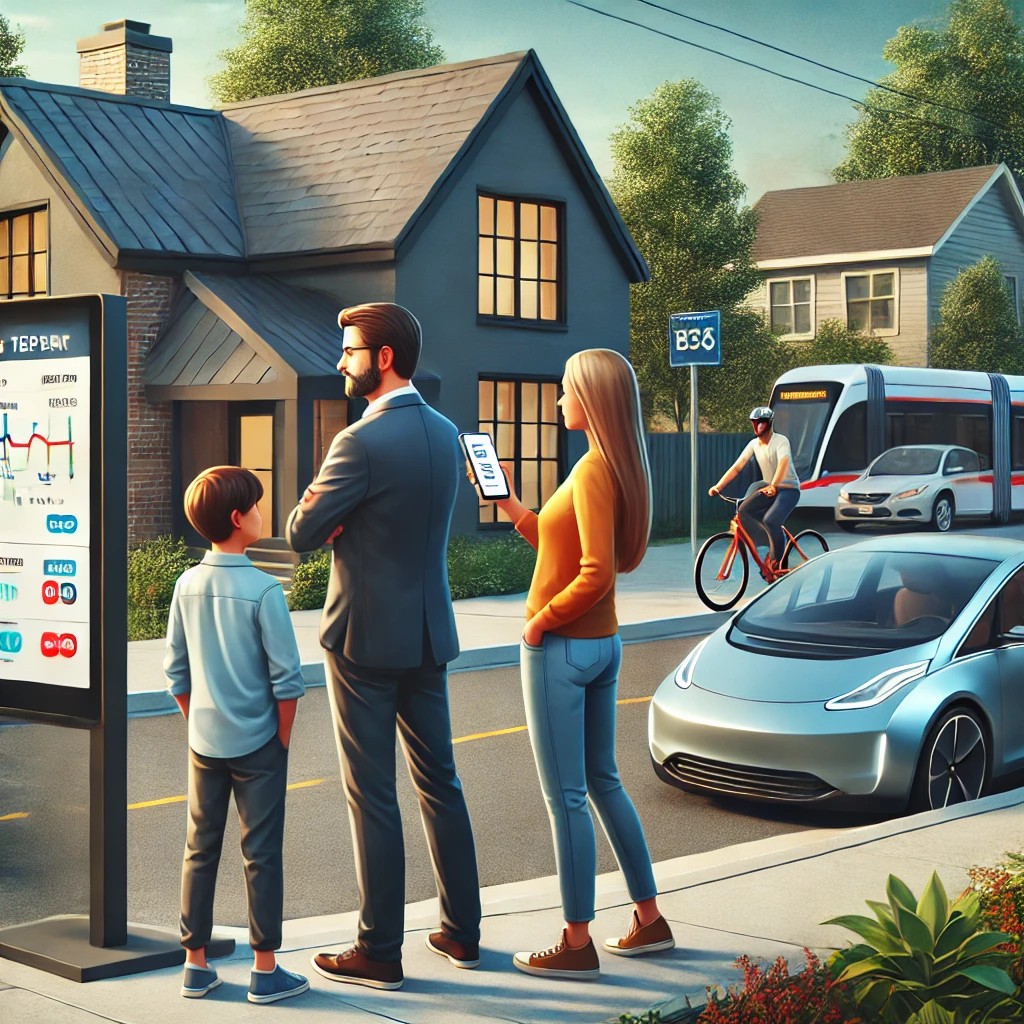
Consider Your Commute in 2025
For decades, the suburbs were seen as the perfect escape from city life. Affordable homes, spacious yards, and shopping centers made suburban living attractive, while commuting by car became a daily routine for many. But times have changed. Rising fuel costs, increasing traffic congestion, and shifting work habits—especially the rise of remote and hybrid work—have made the traditional suburban commute less appealing for many families.
Today’s commute looks different than it did just a few years ago. While some workers have returned to in-person jobs, many companies now offer remote or hybrid work options, reducing the need for daily commuting. However, for those who still commute, challenges remain.
Traffic congestion is at an all-time high in many metro areas, leading to longer and more stressful commutes.
Gas prices continue to fluctuate, with many workers seeking alternatives such as electric vehicles (EVs), carpooling, or public transportation.
Public transit use has been slow to rebound post-pandemic, with only a small percentage of workers relying on it regularly.
Biking and walking-friendly neighborhoods are more in demand than ever as people seek healthier and more sustainable ways to get around.
With these changes, homebuyers need to rethink what commuting means to them and how it affects their lifestyle and budget.
Even if you work remotely, consider how often you’ll need to go into the office. If hybrid work is required, test the commute at the times you’d typically travel. Also, consider other places you’ll frequently visit, such as schools, shopping centers, and healthcare facilities.
Commuting costs go beyond just gas. Consider vehicle maintenance, parking fees, public transit passes, and even the potential need for a second car. If you’re interested in an electric vehicle, check the availability of charging stations in your potential new neighborhood.
Map out your daily activities. Will your children have a long commute to school? Are you close to grocery stores, parks, and other essentials? Walkability and access to bike lanes can make a big difference in your quality of life.
Many communities now offer better bike infrastructure, electric scooter sharing, and improved transit options. Look for neighborhoods that prioritize walkability and have easy access to bus or rail lines.
If commuting costs and time commitments are concerns, consider different housing options. Some emerging suburban developments are integrating more live-work-play elements, reducing the need for constant travel. Alternatively, some city neighborhoods may now be more affordable than they were in previous years.
Whether you work from home full-time or commute several days a week, your living situation should support your lifestyle and financial goals. Taking the time to evaluate commuting costs, transportation options, and daily routines can help you make an informed decision about where to live—and how to live.

I'm Eric Clark, a seasoned REALTOR® with a track record dating back to 2017. My approach to real estate is akin to that of a project manager, ensuring a seamless process for your sale or purchase.....
The Importance of a Home Inspection: What Buyers Need to KnowA home inspection is a crucial step in the home-buying process. It provides buyers with a comprehensive understanding of a property's
Consider Your Commute in 2025For decades, the suburbs were seen as the perfect escape from city life. Affordable homes, spacious yards, and shopping centers made suburban living attractive, while
Smart Home Buying: Navigating Canada's Updated Mortgage LandscapeConventional wisdom once suggested buying as much home as you could afford and holding onto it long enough to build equity. While
Congratulations on your decision to purchase a condo! As you embark on this exciting journey, it's essential to familiarize yourself with the various documents associated with condominium ownership.
 Copyright 2026 by the REALTORS® Association of Edmonton. All rights reserved.
Data is deemed reliable but is not guaranteed accurate by the REALTORS® Association of Edmonton.
The trademarks REALTOR®, REALTORS® and the REALTOR® logo are controlled by The Canadian Real Estate Association (CREA) and identify real estate professionals who are members of CREA. The trademarks MLS®, Multiple Listing Service® and the associated logos are owned by CREA and identify the quality of services provided by real estate professionals who are members of CREA. Used under license.
Information last updated on September 22, 2026 8:59 PM UTC
Copyright 2026 by the REALTORS® Association of Edmonton. All rights reserved.
Data is deemed reliable but is not guaranteed accurate by the REALTORS® Association of Edmonton.
The trademarks REALTOR®, REALTORS® and the REALTOR® logo are controlled by The Canadian Real Estate Association (CREA) and identify real estate professionals who are members of CREA. The trademarks MLS®, Multiple Listing Service® and the associated logos are owned by CREA and identify the quality of services provided by real estate professionals who are members of CREA. Used under license.
Information last updated on September 22, 2026 8:59 PM UTC
 Data is supplied by Pillar 9™ MLS® System. Pillar 9™ is the owner of the copyright in its MLS® System. Data is deemed reliable but is not guaranteed accurate by Pillar 9™. The trademarks MLS®, Multiple Listing Service® and the associated logos are owned by The Canadian Real Estate Association (CREA) and identify the quality of services provided by real estate professionals who are members of CREA. Used under license.